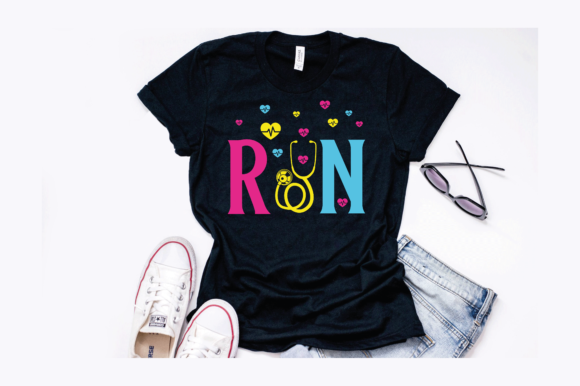
Reviewing the Registered Nurse RN Design for Embroidery
As a designer who spends half my life staring at stitch simulations and the other half pulling threads out of jammed machines, I have learned to look past the glossy preview images. When I downloaded the Registered Nurse RN Design, I was not just looking for a cute graphic. I was looking for a viable asset that could hold up under the needle, survive a wash cycle, and actually sell in a crowded marketplace. This is not just another digital file; it is a potential cornerstone for a niche craft business targeting healthcare heroes.
First Impressions and Visual Personality
The first thing that strikes you about this design is its clarity. In the world of T-Shirt Designs and Graphics, clutter is the enemy. This layout respects negative space. It feels professional rather than cartoonish, which is crucial when your target audience consists of licensed professionals who take pride in their credentials. The mood is supportive and celebratory without being overly sentimental. It strikes a balance that works well for both a serious clinical setting and a casual weekend vibe.
From a visual standpoint, the shapes appear distinct. For an embroidery project, this is vital. If lines are too close together, they will merge during stitching. Here, the separation between elements suggests that the digitizer understood the limitations of thread. It creates a clean silhouette that reads well from a distance, whether it is on a cap across a hospital ward or on a tote bag slung over a shoulder.
Real-World Application: The Custom Sweatshirt Test
To truly evaluate a machine embroidery design, you have to imagine it on fabric. I recently worked on a custom order for a nursing graduate. She wanted something she could wear to her pinning ceremony and then again for casual shifts. I loaded the Registered Nurse RN Design into my software to simulate the outcome on a mid-weight cotton blend sweatshirt.
The result was promising. The design’s structure lends itself beautifully to sweatshirt embroidery. Because the fabric has a bit of loft, the stitches needed to be dense enough to cover the texture but not so dense that they caused puckering. This design seems to have a balanced stitch density. It does not look like a solid block of thread, which can feel stiff and uncomfortable against the skin, nor does it look sparse and amateurish. It sits nicely on the chest pocket area or centered on the left breast, offering a polished look that elevates the perceived value of the handmade product.
Versatility Beyond Apparel
While the product description highlights t-shirts and mugs, my experience suggests this embroidery file has broader potential. Consider the rising trend of personalized utility items. A canvas tote bag design featuring this motif would appeal to nurses carrying heavy textbooks or shift essentials. The sturdy nature of canvas handles high stitch counts well, allowing the fill stitch areas to pop with vibrant thread colors.
Furthermore, do not overlook the embroidered patch market. Many medical professionals prefer patches they can iron or sew onto scrub jackets that change with their rotation. This design’s self-contained shape makes it an ideal candidate for a merrowed edge patch. It allows for portability and reuse, adding significant value for the buyer.
Technical Considerations for Stitching Success
Even the best digital embroidery file requires proper handling. Here are my practical notes for executing this design successfully:
- Fabric Texture Matters: On textured fabrics like terry cloth towels or fuzzy fleece, small details can get lost. If you are creating baby embroidery items or plush toys, ensure you use a sharp needle and possibly a slightly larger version of the design to maintain clarity.
- Stabilizer Selection: For stretchy fabrics like performance scrubs or t-shirts, a cut-away stabilizer is non-negotiable. This prevents the design from distorting after washing. For stable woven fabrics like aprons or pillow covers, a tear-away might suffice, but always test first.
- Thread Contrast: The design relies on legibility. When stitching on dark navy or black scrubs, use high-contrast thread colors. White, silver, or bright medical blue works well. Avoid low-contrast combinations that make the text hard to read.
- Hoop Size Constraints: Before purchasing, verify the available sizes. If you are working with a small hoop size, such as a 4x4 inch hoop for caps, ensure the design fits without scaling down to the point where tiny lettering becomes illegible blobs of thread.
Commercial Viability for Etsy Sellers and Crafters
For the Etsy seller or small shop product creator, this design is a strong contender. The nursing niche is evergreen. Nurses buy gifts for each other, for graduations, and for retirement. This personalized gift angle drives engagement. However, success depends on presentation.
When listing this as a finished product, use high-quality printable mockup images or real photos on diverse garments. Show it on a holiday embroidery themed sweater for Christmas gifts, or on a crisp white lab coat for professional branding. Demonstrating versatility helps buyers visualize the item in their own lives.
Be mindful of licensing. The description states it is for creating products, but always double-check if the license covers commercial sales of physical items versus digital redistribution. As a craft business owner, protecting your legal standing is as important as protecting your thread tension.
Where to Use Caution
While versatile, this design is not magic. Avoid placing it on highly curved surfaces like the front panel of a structured cap unless you have experience with cap frames and specialized stabilizers. The distortion can warp the text. Also, be cautious with very thin, silky fabrics. The weight of the satin stitch borders or fill areas might cause the fabric to pucker permanently if not backed correctly.
If you are aiming for a subtle, minimalist look, consider using a running stitch variation if your software allows for editing, though this may require re-digitizing. Out of the box, this design leans toward a standard, bold aesthetic that prioritizes visibility.
Final Verdict
The Registered Nurse RN Design is a solid addition to any designer’s library of design assets. It is not overly complex, which reduces machine run time and thread breaks, yet it carries enough visual weight to look premium. For commercial embroidery projects, it offers a safe, recognizable, and respectful tribute to the profession.
My advice? Buy it, but test it. Stitch it out on scrap fabric first. Check the tension. Play with your thread colors. Once you dial in the settings, this design can become a reliable bestseller in your custom apparel lineup. It is a practical, professional choice for anyone looking to create meaningful, high-quality embroidered goods.