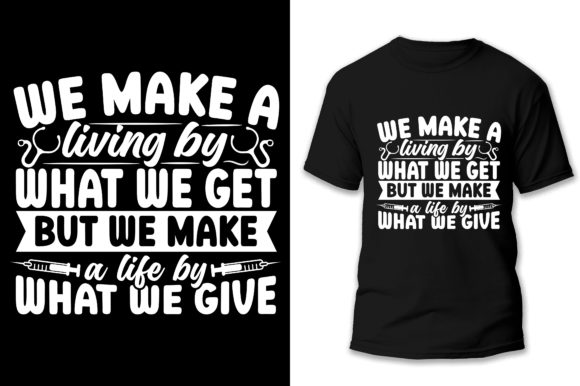
Reviewing Nurse Custom T-Shirt Designs for Stitch
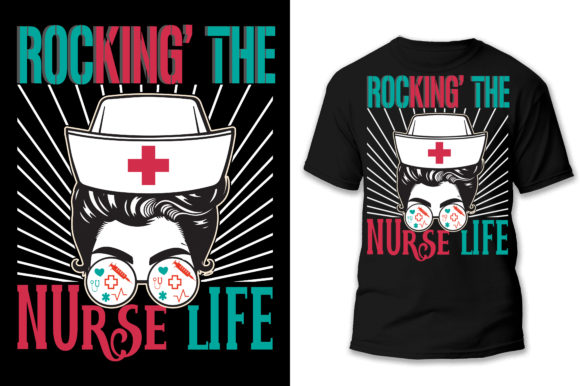
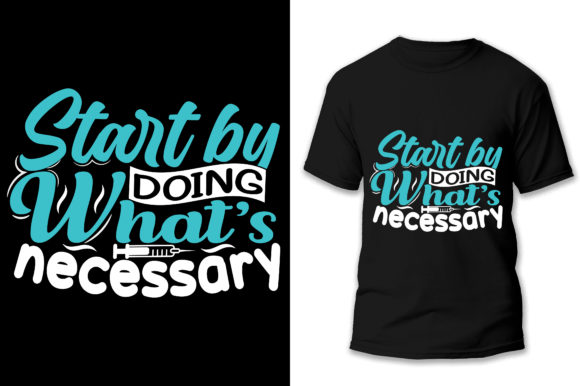
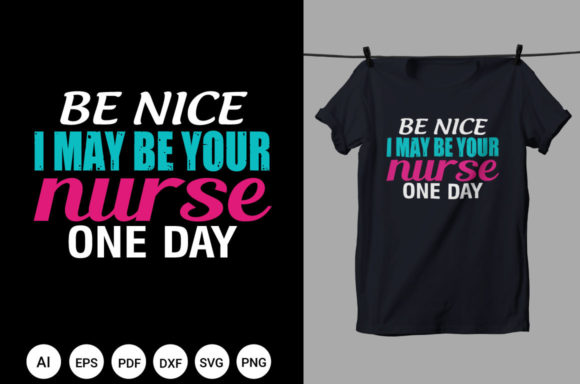
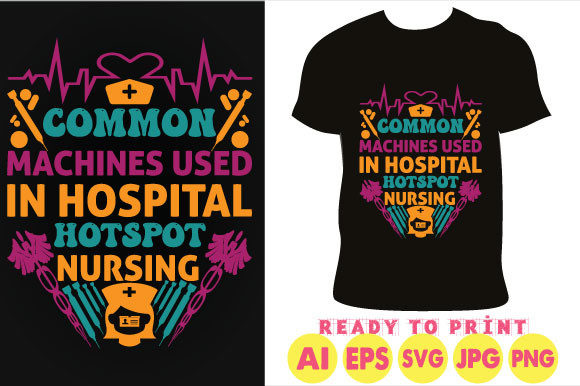
As a designer who spends more time staring at stitch maps than finished garments, I approach every new digital embroidery file with a mix of curiosity and caution. We have all been there: downloading a graphic that looks stunning on screen, only to watch it turn into a tangled mess of thread breaks and puckering on the hoop. Recently, I evaluated Nurse Custom T-shirt Designs to see if these assets hold up under the needle or if they are merely pretty pictures meant for print.
The first impression of this collection is one of professional warmth. The layouts avoid the cluttered, clip-art aesthetic that plagues many low-quality design assets. Instead, the shapes are clean, with distinct themes that resonate immediately with healthcare workers. For an embroidery project, clarity is king. If the lines are too thin or the details too microscopic, the machine will struggle, and the final result will look muddy. These designs strike a balance between visual personality and technical feasibility, making them suitable for both quick personal gifts and higher-end boutique merchandise.
Real-World Application: Beyond the Basic Tee
While the title suggests these are strictly for t-shirts, my experience tells me that limiting them to cotton tees is a missed opportunity. I recently used a similar layout from this style group for a custom embroidered tote bag intended as a thank-you gift for a nursing supervisor. The design needed to be bold enough to read from a distance but refined enough to feel special. Because the Nurse Custom T-shirt Designs rely on strong silhouettes rather than excessive micro-detail, they translated beautifully onto canvas.
This versatility is crucial for Etsy sellers and small shop owners. You are not just selling a shirt; you are selling a solution for various occasions. Consider applying these graphics to sweatshirt embroidery projects. The thicker fabric of a hoodie or crewneck provides a stable base for fill stitches, allowing the colors to pop without the distortion often seen on thinner materials. I have also seen these types of graphics work well as embroidered patches, where the dense stitching adds texture and durability, perfect for scrub caps or uniform jackets.
Technical Performance and Stitch Behavior
When evaluating any machine embroidery design, we must look at how the digital art translates to thread. In my review, I focused on how the elements would behave during stitching. Designs intended for print often use gradients and fine lines that do not exist in thread. However, these graphics appear optimized for conversion. The use of solid shapes suggests they will work well with standard satin stitch borders and fill stitch interiors.
For those creating baby embroidery items, such as onesies or burp cloths, caution is required. While the theme is appropriate, the stitch density must be managed. A heavy fill stitch on a delicate knit can cause stiffness and discomfort. I recommend testing the design on scrap fabric first, specifically using a lightweight stabilizer to support the garment without adding bulk. If the design includes small text or intricate medical symbols, ensure they are large enough to remain legible after stitching. Tiny lettering often merges together, ruining the professional look of the finished product.
Fabric Choices and Hoop Considerations
The success of your project depends heavily on the substrate. These designs perform best on medium-weight fabrics like cotton blends, twill, or fleece. When working with textured fabrics, such as terry cloth towels or rough canvas, the visual appeal can diminish if the stitch count is too low. Conversely, on stretchy performance scrubs, improper hooping can lead to distortion. Always use the correct stabilizer—cut-away for stretchy materials and tear-away for stable wovens.
Hoop size is another critical factor. Before purchasing, verify that the dimensions of the embroidery file fit your machine’s maximum hoop capacity. Many of these designs may require a 5x7 or larger hoop to maintain proper scale. If you attempt to shrink a complex design into a 4x4 hoop for a cap or small pocket, you risk losing detail and increasing stitch density to problematic levels. For curved surfaces like baseball caps, consider digitizing the design specifically for that shape or using a pre-made cap frame to ensure the logo sits correctly without warping.
Commercial Viability and Brand Trust
For craft business owners and commercial embroidery providers, the quality of your design directly impacts customer trust. A sloppy stitch-out reflects poorly on your brand, regardless of how skilled you are with the machine. Using high-quality Print Templates and graphics that are vetted for embroidery helps maintain consistency. When customers receive a personalized gift that looks crisp and professional, they are more likely to return and recommend your services.
These designs also lend themselves well to creating printable mockups. Before committing to stitching a full batch of holiday embroidery orders for a hospital unit, create digital previews. This allows you to show clients how the thread colors will interact with different garment shades. Testing the design in black and white mockups can also reveal contrast issues that might not be obvious in color. If the design relies solely on color to define its shape, it may fail on dark fabrics where thread contrast is limited.
Practical Notes for the Embroiderer
Before you start your next project with Nurse Custom T-shirt Designs, keep these practical tips in mind:
- Check Licensing: Always confirm whether the license allows for commercial use. Some digital files are for personal use only, while others permit selling finished items. Do not assume; read the terms provided by the seller.
- Test Thread Colors: Medical themes often use specific colors like navy, ceil blue, or burgundy. Ensure your thread palette matches the intended vibe. A mismatch can make the design look generic.
- Inspect Small Details: Zoom in on the digital file. Are there isolated pixels or tiny gaps? These can cause needle breaks or loose threads. Clean up any unnecessary points before stitching.
- Stabilizer Selection: Match your stabilizer to the fabric. A water-soluble topping can help prevent sinking on plush fabrics like towels or fleecy sweatshirts.
- Wash Testing: If you are selling these as durable workwear accessories, wash a test piece to ensure the stitches hold up to frequent laundering and industrial cleaning processes.
In conclusion, Nurse Custom T-shirt Designs offer a solid foundation for creators looking to expand their healthcare-themed offerings. They are not just static images but viable starting points for high-quality handmade products. By understanding the limitations of your machine and the properties of your fabric, you can transform these digital assets into cherished items that celebrate the dedication of nursing professionals. Whether you are an experienced decorator or a hobbyist making gifts for friends and family, taking the time to evaluate the technical aspects of the design will always yield a superior finished product.